Ali Bagheri

ART • HISTORY • IDEAS

Essays from the world of art

Stories, research and thoughtful perspectives on art, artists and visual culture.

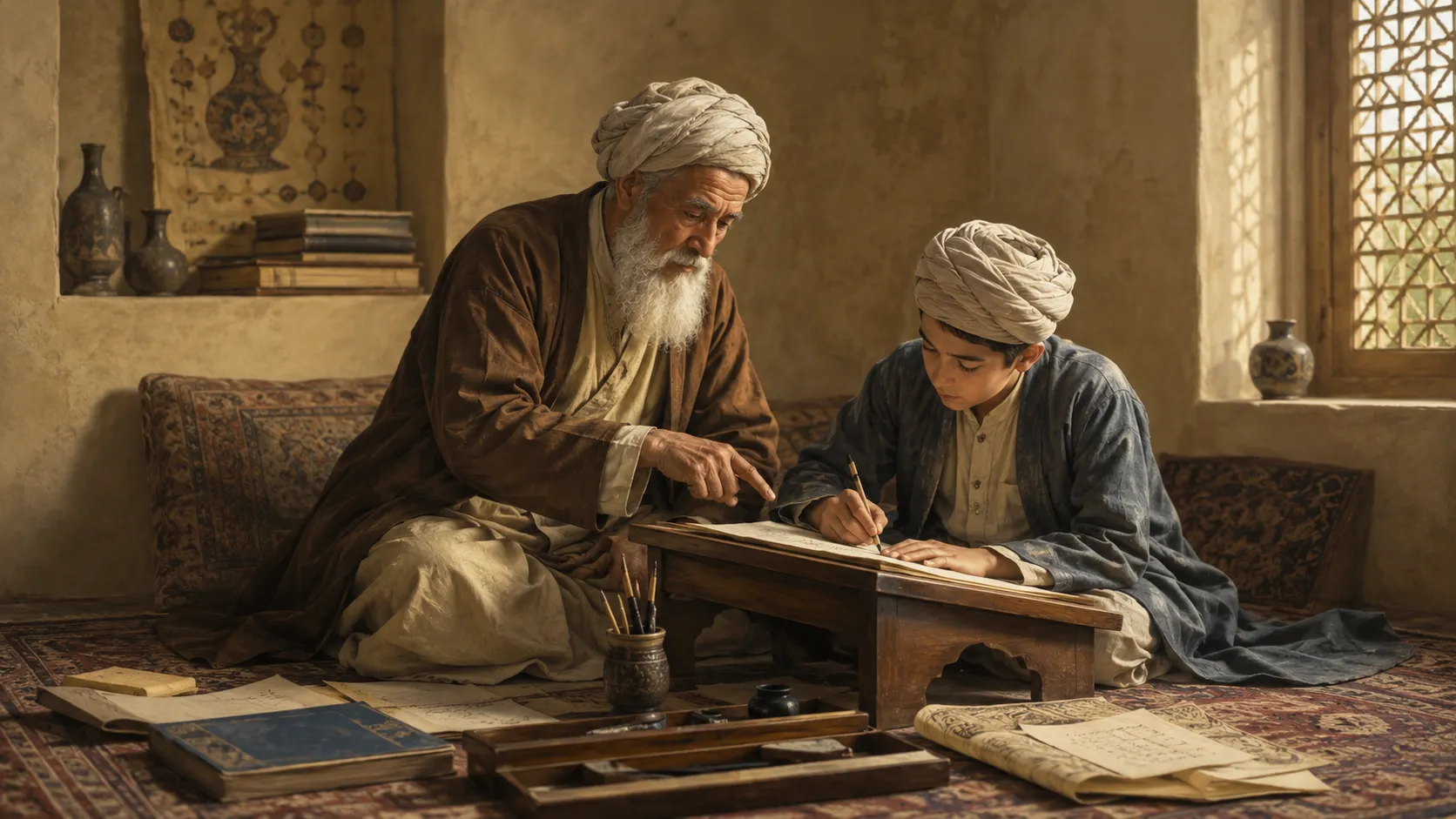
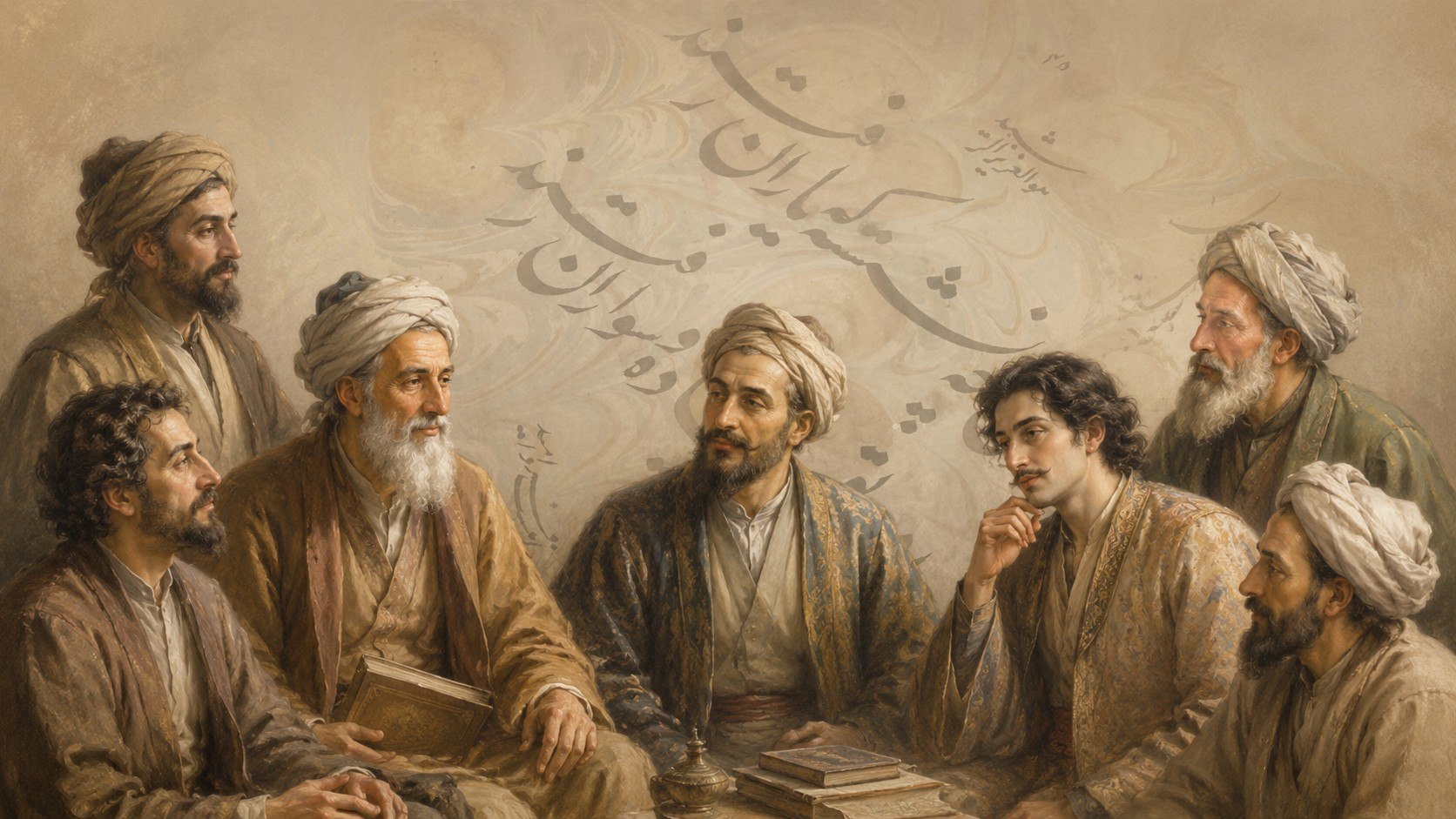
Nastaliq instruction through the master–student tradition, with a student practicing calligraphy under a teacher’s guidance02
Calligraphy Education and Experience

From Master to Student: How Was Nastaliq Taught?

This article traces the historical development of Nastaliq instruction, from master–student relationships, practice and calligraphy treatises to the role of earlier masters’ works and print. The evidence suggests that Nastaliq was not taught through a fixed curriculum; skills were transmitted ...

September 2, 202615 min read
Read publication
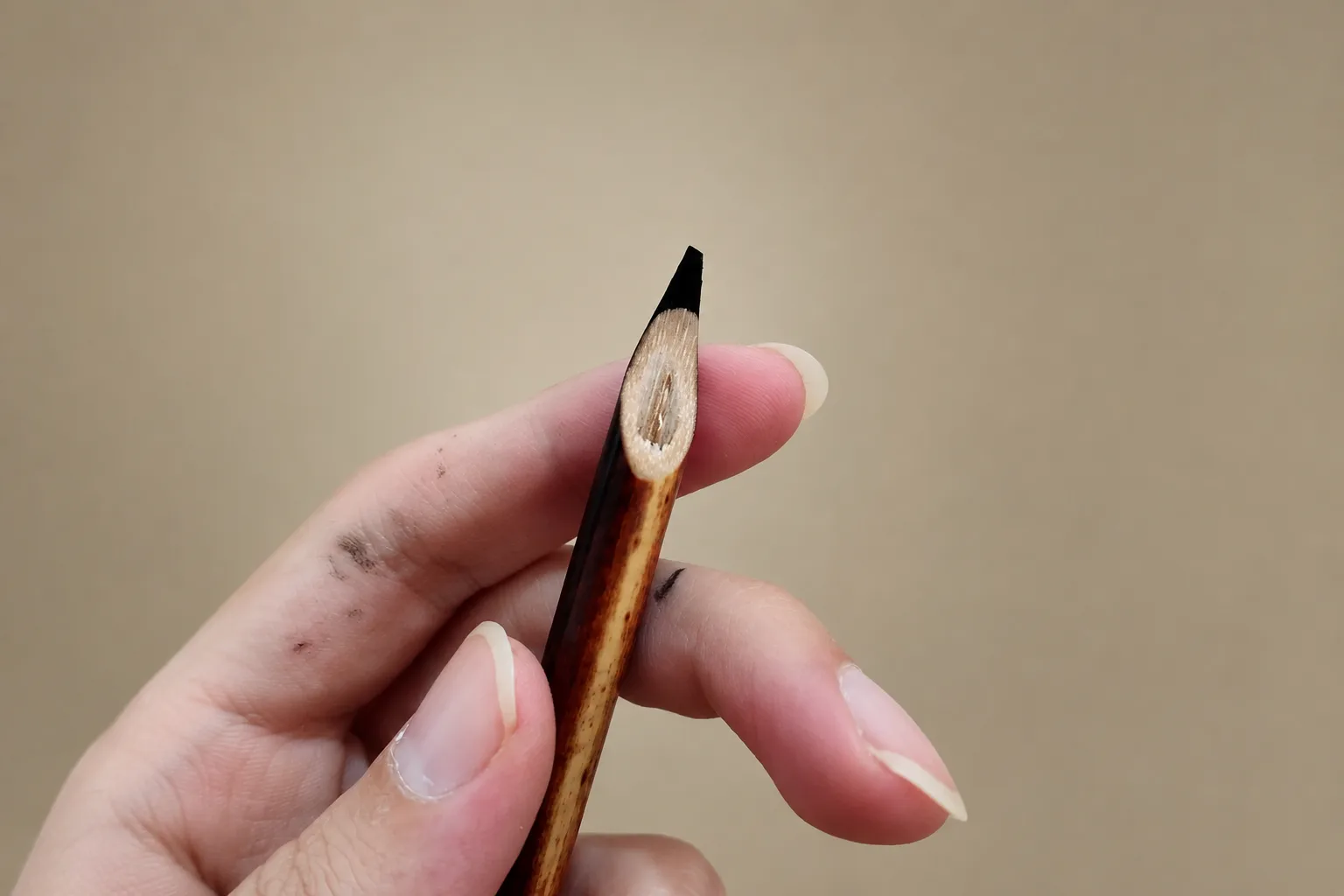
Reed calligraphy pen with a cut nib dipped in ink, held between the fingers06
Calligraphy Education and Experience

How Is Nastaliq Made?

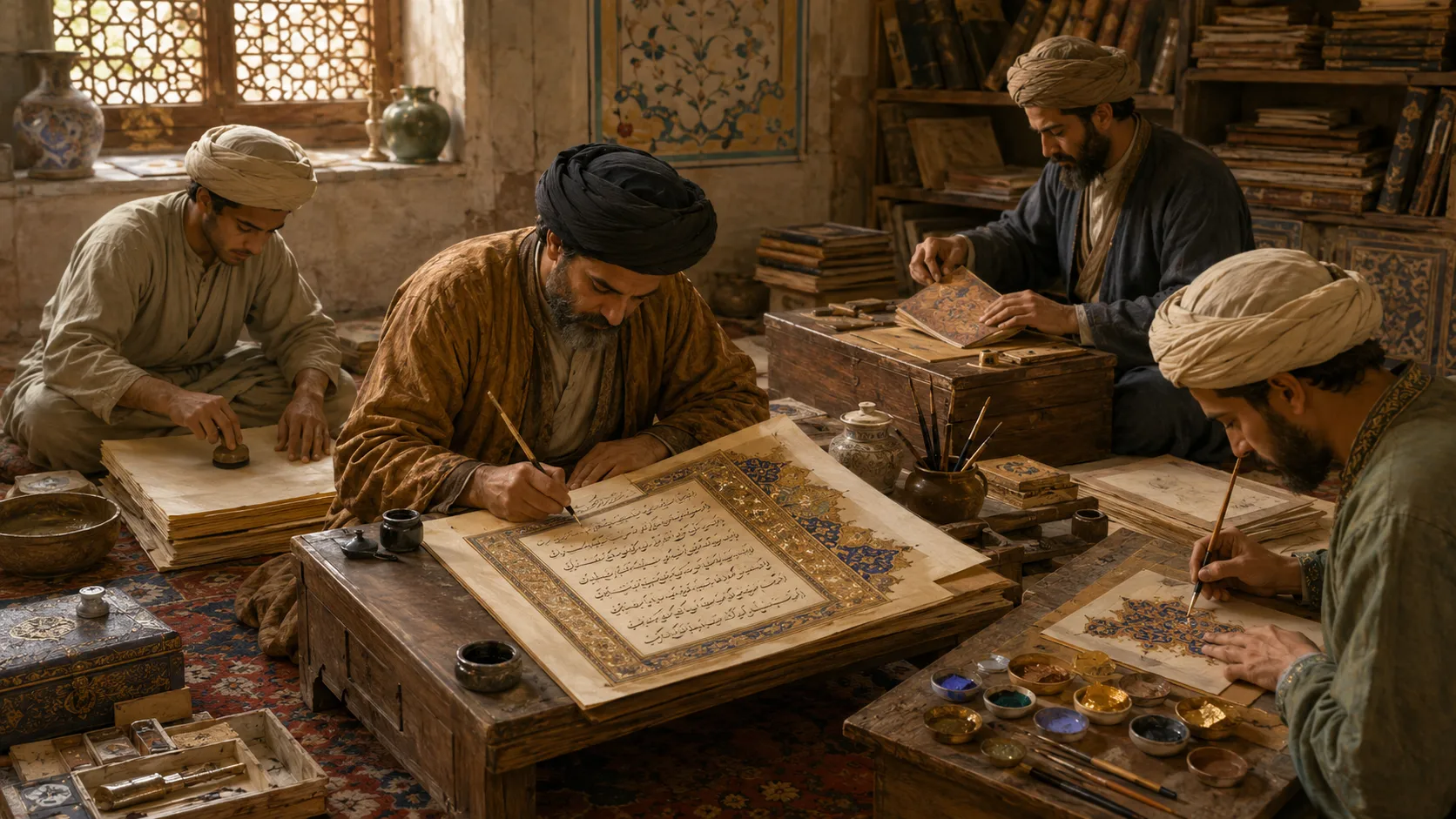
Nastaliq emerges from the calligrapher’s interaction with the reed pen, ink, paper, and page preparation. Thickness, rhythm, and composition depend not only on skill or tools, but on the relationship between material, technique, artistic choice, and tradition.

August 20, 202612 min read
Read publication
Why Is Nastaliq Called an “Iranian Script”?08
History and Heritage of Calligraphy

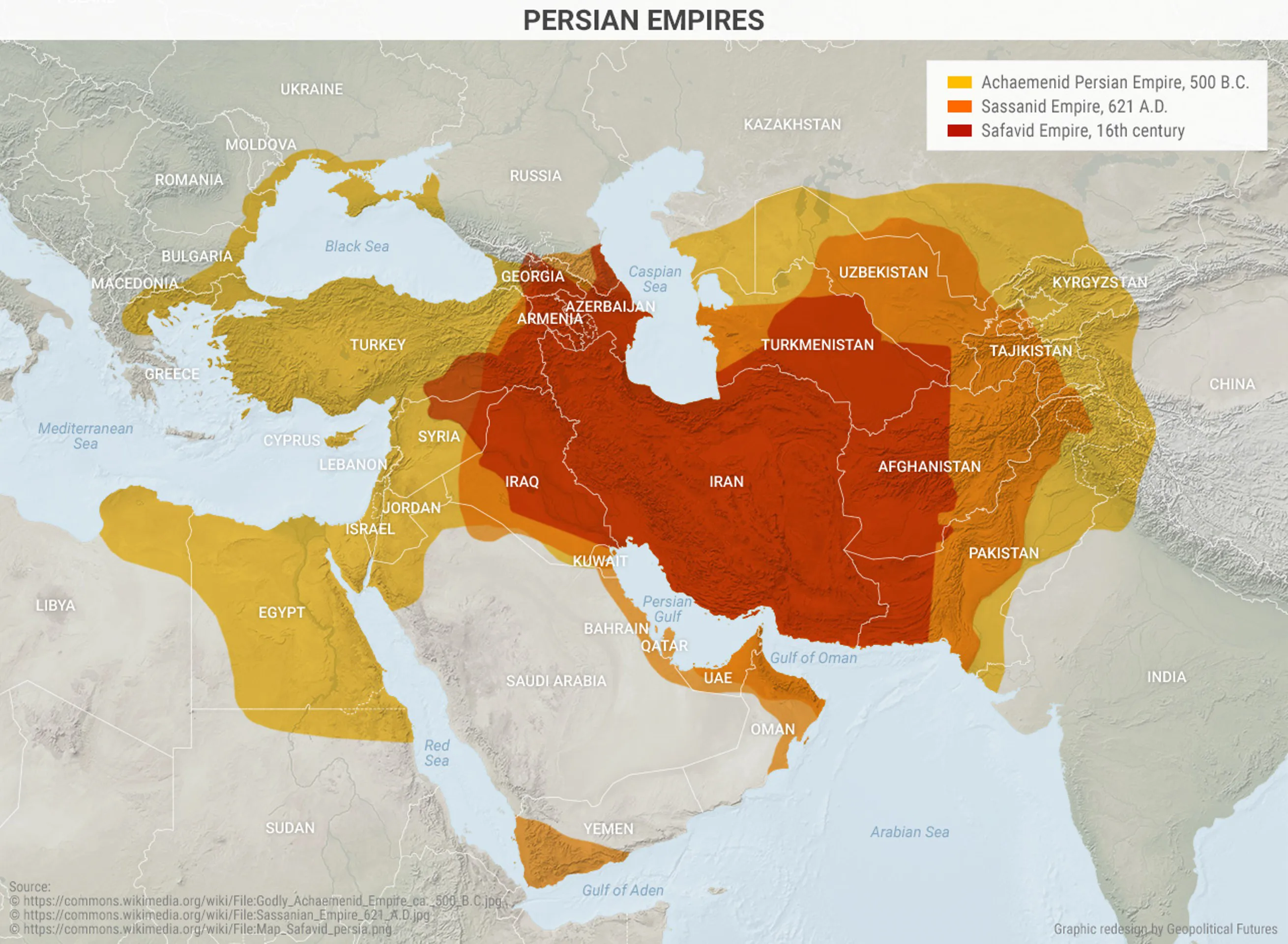
Why Is Nastaliq Called an “Iranian Script”?

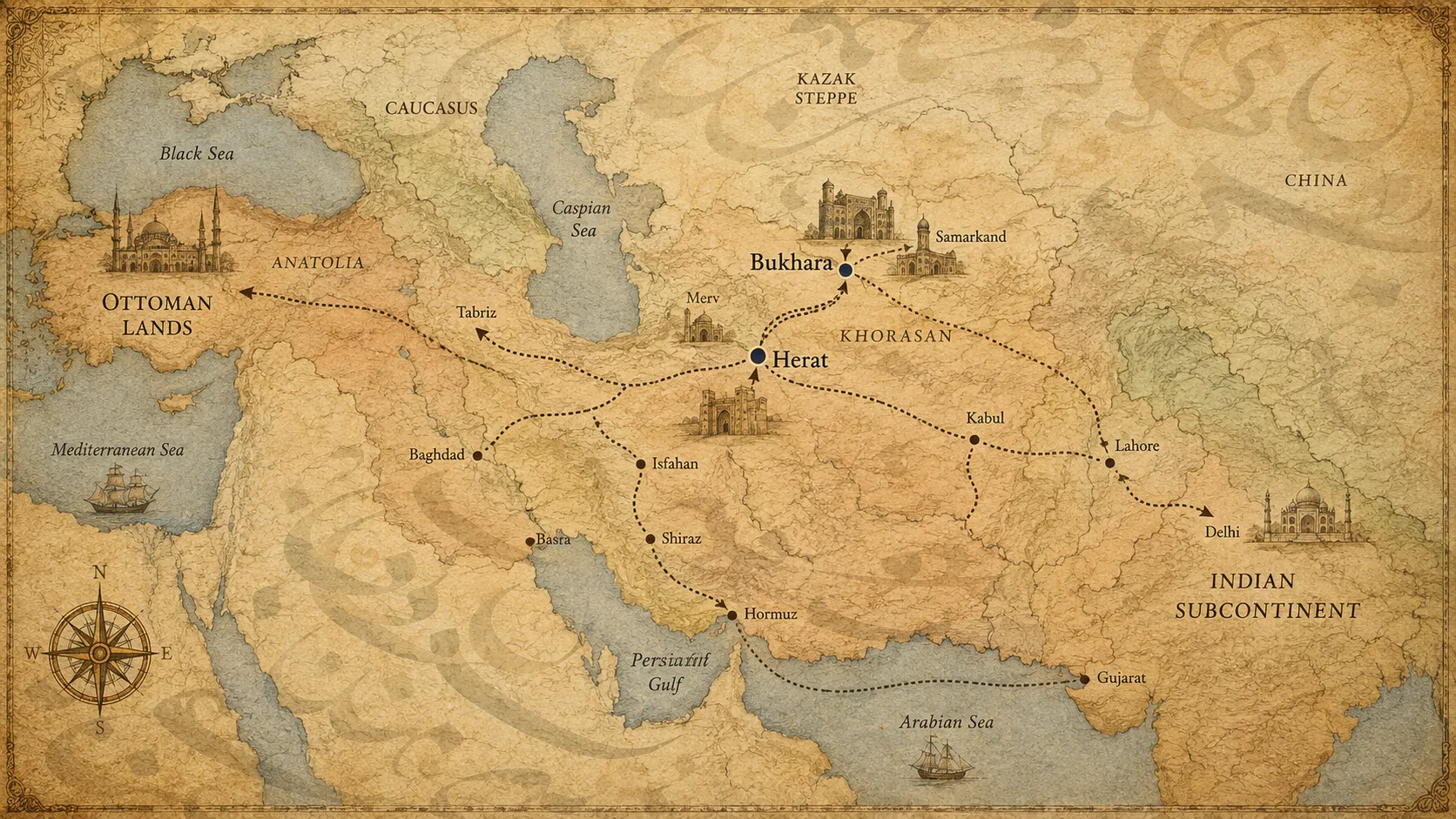
Nastaliq emerged from Iran’s historical culture in close connection with Persian language and literature, then spread over centuries to Herat, Bukhara, India, Urdu culture, and the Ottoman world. It is best understood as Iranian in origin and transnational in history.

August 13, 202613 min read
Read publication
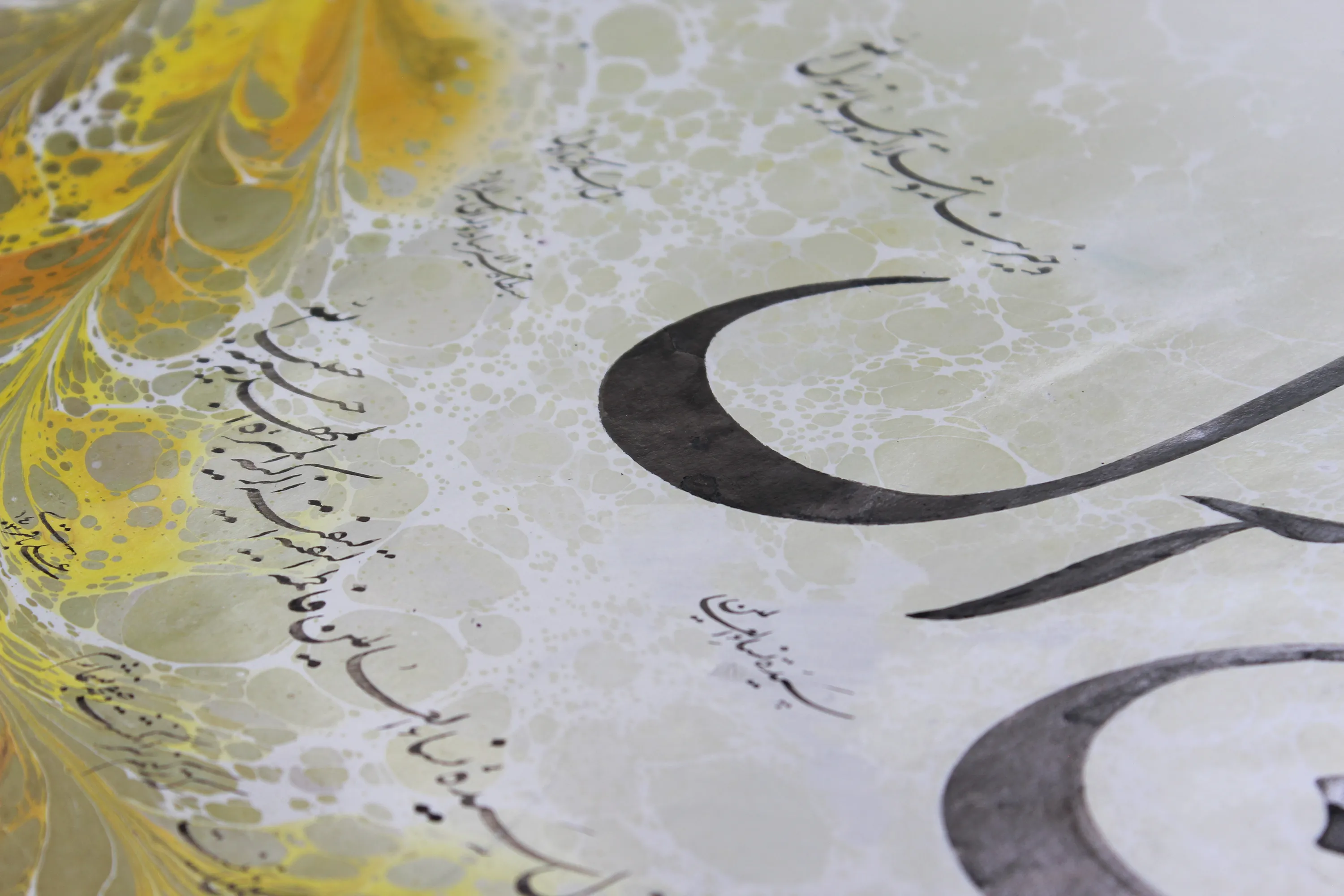
Detail of a Nastaliq calligraphy work09
History and Heritage of Calligraphy

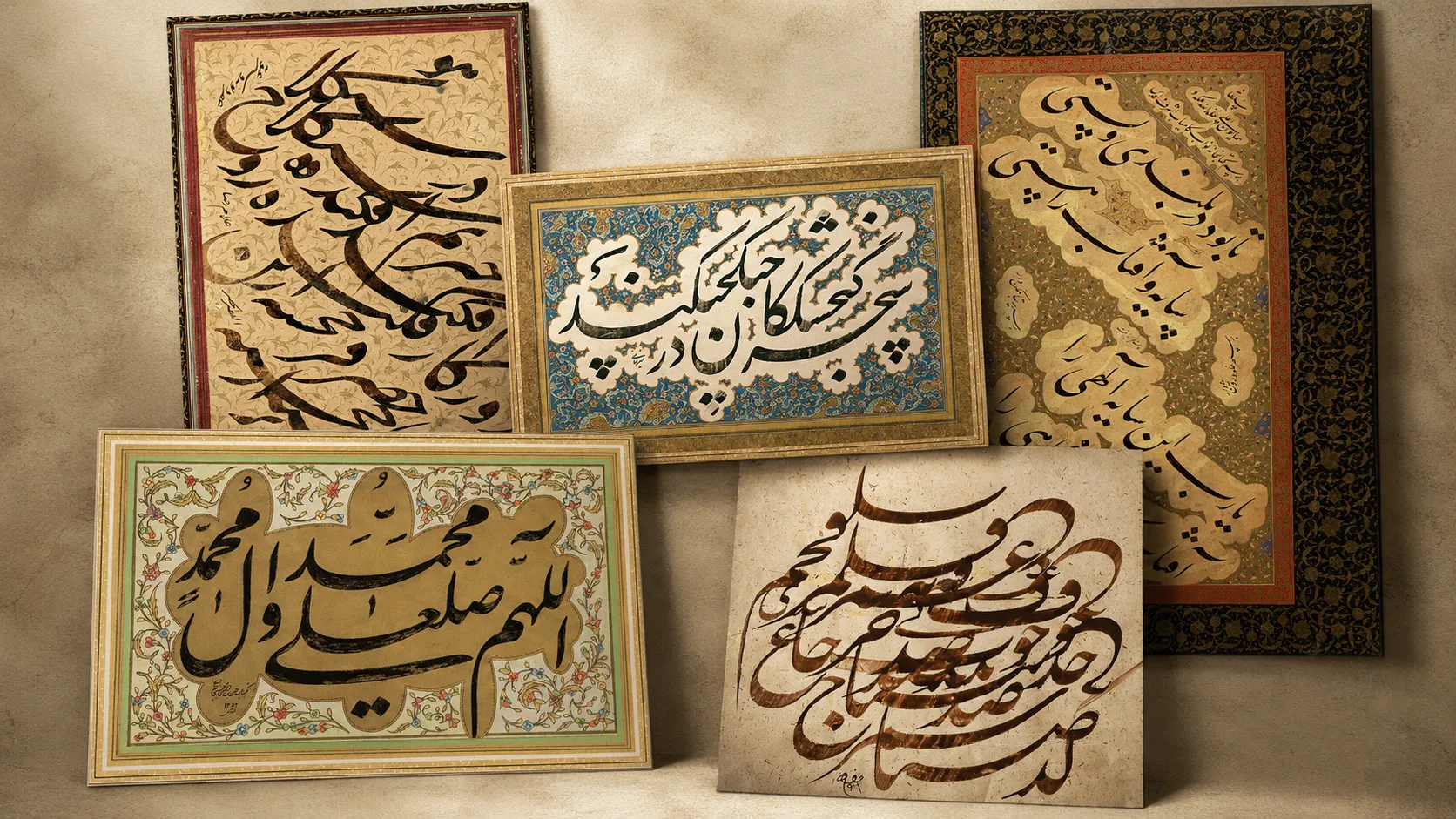
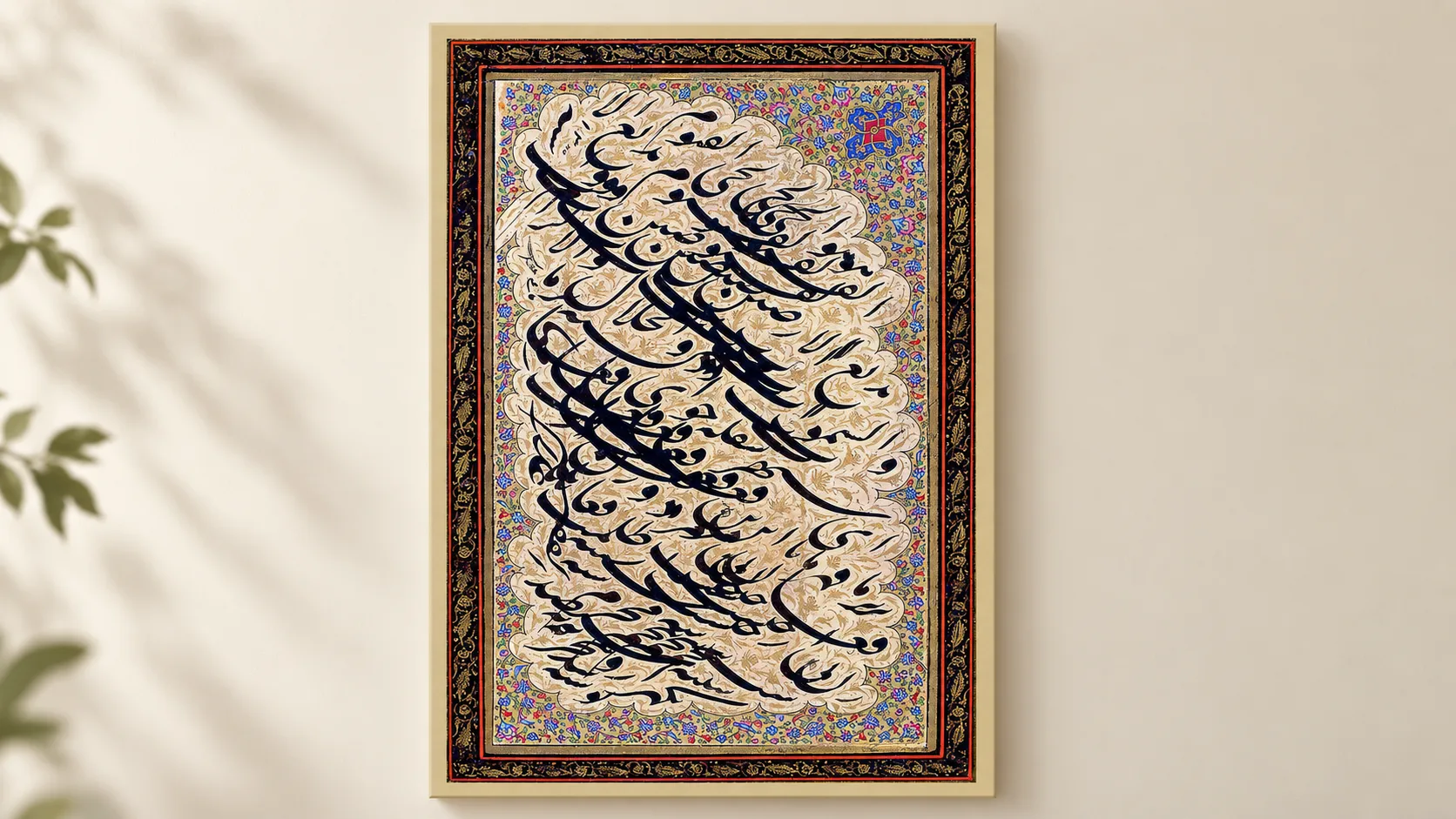
What Is Nastaliq? A Look at Its History, Form, and Uses

Nastaliq is sometimes described as a script, an alphabet, or even a kind of font, but none of these definitions is precise on its own. Nastaliq is, fundamentally, a style of calligraphy: a historical, rule-based method for shaping letters and words and for arranging their relationship with the line

August 10, 202611 min read
Read publication
You have reached the end.